Navigating the marketplace in Lineage 2M can feel overwhelming at first, especially with its complex trading systems and dynamic player-driven economy.
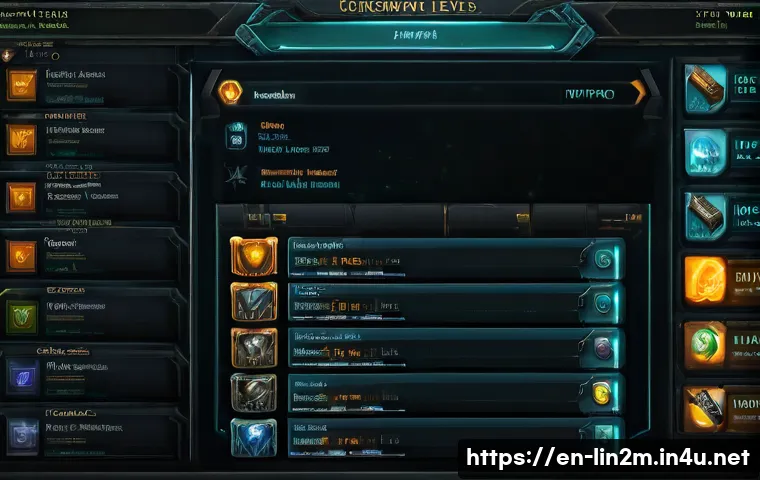
Understanding how to efficiently buy, sell, and trade items not only saves you time but can also significantly boost your in-game progress. Whether you’re a seasoned player or just starting out, mastering the exchange platform is key to maximizing your gameplay experience.
I’ve spent plenty of time exploring the ins and outs of the marketplace, and I’m excited to share what I’ve learned. Let’s dive into the details and get you trading like a pro!
Mastering the Art of Smart Buying
Timing Your Purchases for Maximum Value
Knowing when to buy is just as crucial as knowing what to buy. In Lineage 2M, item prices fluctuate depending on server events, player demand, and patch updates.
From my experience, prices tend to dip during major updates or right after a new batch of content drops, as many players flood the market with items they no longer need.
Waiting for these windows can help you snag rare gear or crafting materials at a fraction of the usual cost. I usually set reminders for patch days and monitor price trends a few days before to anticipate when the best deals will pop up.
Evaluating Item Value Beyond the Price Tag
It’s tempting to chase the lowest price, but not all cheap items are worth grabbing. I always check the item’s usability, enhancement potential, and compatibility with my character build.
For example, a weapon might be cheap but lack the stats or bonuses that fit your playstyle. Another trick I learned is to compare similar items’ stats and consider how much investment they’ll need afterward.
Sometimes paying a bit more upfront saves a lot of hassle and resources down the line, especially for items that are core to your character’s power.
Utilizing Market Filters and Search Tools Efficiently
The marketplace interface can be overwhelming, but mastering its filters saves time and effort. I recommend customizing your searches by category, level requirement, and enhancement level.
This narrows down the options and prevents you from scrolling endlessly through irrelevant items. Using sorting options like “lowest price first” or “newly listed” helps catch undervalued listings before others snatch them.
Personally, I keep a mental note of the keywords and stats that matter most for my class to speed up the search process.
Strategies for Selling That Maximize Profit
Setting Competitive Prices Without Undervaluing
Pricing your items correctly is an art in itself. From my experience, listing an item slightly below the average market price attracts buyers faster without sacrificing too much profit.
It’s tempting to aim for the highest price, but items that linger too long often sell for less eventually. I track recent sales for similar items and adjust my price accordingly, especially when the market is saturated.
This approach keeps my sales consistent and prevents my inventory from piling up.
Choosing the Right Time to List Your Items
Listing your items at peak player activity times significantly boosts visibility. In my case, evenings and weekends tend to have the highest traffic, so that’s when I post my most valuable items.
Additionally, I avoid listing during major server downtime or maintenance, as those periods see almost no activity. It’s a simple habit but one that dramatically improves the chances of quick sales, especially for rare or high-demand gear.
Leveraging Bundles and Bulk Sales for Efficiency
Selling items in bundles or bulk can be a real time-saver and often more attractive to buyers looking to gear up quickly. For crafting materials or consumables, I group them into sets with a small discount.
This strategy encourages buyers to purchase more at once, increasing my total revenue. On the flip side, I remain cautious not to undervalue rare individual items by bundling them indiscriminately.
Finding the right balance between bulk and single-item sales has been a game changer for my trading routine.
Understanding Market Trends and Player Behavior
Tracking Popular Items and Seasonal Demand
Market trends in Lineage 2M shift with in-game events, new content releases, and player preferences. I keep an eye on which items are trending by observing frequent listings and quick sales.
For instance, during PvP-focused events, weapons and armor with specific stats spike in demand. Conversely, crafting materials often peak after patch notes reveal new recipes.
Staying aware of these cycles helps me decide when to stock up or sell certain goods, ensuring I’m always one step ahead.
Reading the Market Sentiment Through Player Activity
Player sentiment often drives the market more than supply alone. If a new boss drops a highly coveted item, the frenzy can drive prices up sharply. Conversely, if players complain about an item’s nerf or reduced usefulness, prices plummet.
I follow community forums and social media chatter to gauge these sentiments early. This approach isn’t foolproof but helps me avoid buying into hype or holding onto items destined to lose value.
Adapting Quickly to Patch Changes and Updates
Patch notes can instantly change the value of items. I’ve learned to skim update details immediately and assess how they affect my inventory or trading plans.
For example, a buff to a certain weapon type can cause prices to soar, while nerfs might tank them. Quickly adjusting your listings or buying habits after such news ensures you capitalize on opportunities or minimize losses.
It’s a habit that demands attention but pays off handsomely.
Efficient Use of the Exchange Interface
Navigating the User Interface Like a Pro
The exchange interface might look complex initially, but once you get the hang of it, it’s surprisingly intuitive. I recommend spending a few sessions just exploring all tabs and buttons without making transactions.
Understanding how to switch between buy and sell modes, use quick filters, and set price alerts saves a lot of wasted clicks. The interface also allows you to save favorite searches or frequently used filters, which I use to streamline my daily trading routine.
Using Alerts and Notifications to Stay Ahead
One of the best features I found is setting alerts for specific items or price changes. This way, you don’t have to constantly check the marketplace manually.
When a desired item hits your target price or a new listing appears, you get notified instantly. This is especially handy for rare or highly sought-after gear that sells out quickly.
I’ve snagged some amazing deals just because I was the first to know they were available.
Optimizing Inventory Management Through the Exchange
Keeping your inventory organized makes trading much smoother. I use the exchange not just for buying and selling but also as an extension of my inventory management.
I regularly move surplus items to the marketplace for sale and keep only essential gear on hand. This reduces clutter and helps me focus on items that directly contribute to my gameplay goals.
Plus, having a clean inventory means faster response times when market opportunities arise.
Maximizing Profit with Strategic Trading Approaches
Flipping Items for Quick Gains
Flipping, or buying low and selling high, is a classic trading tactic I use often. It requires patience and a keen eye for underpriced items. Sometimes, players list items hastily just to free up inventory space, presenting perfect flipping opportunities.
I’ve made decent in-game currency by snapping up such bargains and relisting them for a profit. It’s not a guaranteed method, but when done carefully, it can significantly boost your funds.
Investing in Rare and Limited-Time Items
Limited-time event items or rare drops often appreciate in value over time. I’ve held onto certain event-exclusive materials or cosmetics, watching their prices climb weeks after the event ended.
This requires a bit of foresight and the willingness to wait, but the rewards are usually worth it. Just be mindful of the item’s demand and whether similar items might be reintroduced later, which could impact value.
Collaborating with Other Players for Joint Trades
Sometimes, teaming up with guildmates or trusted friends to pool resources or trade in bulk can be beneficial. I’ve experienced smoother transactions and better deals by coordinating sales or purchases with others.
This approach helps spread risk and leverage collective knowledge about market trends. Plus, it adds a social element to trading, making it less of a chore and more of a shared game strategy.
Comparing Item Categories and Their Market Behavior
Weapons vs. Armor: Demand and Pricing Differences
Weapons generally see more frequent trading due to their direct impact on combat effectiveness, while armor pieces might have steadier but slower turnover.
I noticed that weapons often experience sharper price spikes during PvP events, whereas armor prices remain relatively stable, influenced more by crafting and enhancement trends.
Understanding these nuances helps tailor your buying and selling strategies according to what’s hot in the market.
Consumables and Crafting Materials: The Backbone of the Economy
Items like potions, scrolls, and crafting ingredients might not fetch huge individual prices but move in large volumes. I treat these as reliable sources of steady income by selling in bulk.
Their demand usually correlates with player activity levels, such as leveling seasons or new crafting recipes. Keeping a stock of popular consumables can be a steady revenue stream, especially when combined with timely price adjustments.
Cosmetics and Special Items: Niche but Profitable
Cosmetics, mounts, and other special items appeal to players wanting to customize their experience. Though niche, these items can command high prices, especially if they’re rare or tied to limited events.
I’ve personally seen how a well-timed purchase and sale of a cosmetic item can yield better profits than some combat gear. Their value is less about stats and more about exclusivity and player preference.
| Item Category | Typical Demand | Price Volatility | Best Trading Strategy |
|---|---|---|---|
| Weapons | High | High (especially during PvP events) | Buy low during patches, sell high in events |
| Armor | Moderate | Moderate | Steady selling, watch enhancement trends |
| Consumables & Crafting | High volume | Low to Moderate | Bulk sales during peak activity |
| Cosmetics & Special Items | Niche | High (limited events) | Buy rare items, hold for appreciation |
Conclusion
Mastering smart buying and selling in Lineage 2M requires a blend of timing, market insight, and strategic planning. By understanding market trends and player behavior, you can make informed decisions that maximize your profits. Remember, patience and adaptability are key to thriving in this dynamic marketplace. With these strategies, you’ll find trading not only rewarding but also an exciting part of your gameplay experience.
Useful Tips to Keep in Mind
1. Always track patch updates and major events to time your purchases and sales effectively.
2. Evaluate items beyond price—consider their stats, enhancement potential, and how they fit your playstyle.
3. Use market filters and alerts to quickly identify the best deals and stay ahead of competitors.
4. Bundle consumables or crafting materials to boost sales volume while pricing rare items carefully.
5. Collaborate with other players to share market knowledge and coordinate trades for better results.
Key Takeaways
Successful trading hinges on understanding both the market’s supply and the community’s sentiment. Timing your moves around updates and player activity spikes improves visibility and profits. Use marketplace tools like filters and alerts to streamline your workflow. Balancing between quick flips and long-term investments, while keeping your inventory organized, ensures you stay agile and profitable. Above all, trading smart means staying informed, patient, and adaptable to the ever-changing market landscape.
Frequently Asked Questions (FAQ) 📖
Q: How can I find the best deals on items in the Lineage 2M marketplace?
A: From my experience, the key to snagging great deals is patience and timing. Prices fluctuate based on supply and demand, so regularly checking the market during off-peak hours often reveals lower prices.
Also, setting price alerts or using filters to monitor specific items helps you act quickly when a good deal pops up. Don’t hesitate to negotiate if the platform allows it—sometimes sellers are willing to drop prices if you show genuine interest.
Q: What’s the safest way to avoid scams when trading with other players?
A: Safety is crucial, especially in a player-driven economy. Always use the official marketplace or trade systems built into the game rather than direct player-to-player trades outside these platforms.
These systems usually offer some protection and transparency. If you must trade directly, double-check the items and currency before confirming, and be wary of deals that seem too good to be true.
Personally, I avoid trades with strangers unless they have a solid reputation or mutual friends in the game.
Q: How can mastering the marketplace help me progress faster in Lineage 2M?
A: Mastering the marketplace can dramatically speed up your progress because it allows you to acquire rare items, upgrade materials, and gear without grinding endlessly.
I found that trading smartly lets me focus more on quests and battles rather than farming. Plus, selling items you don’t need can generate a steady income to invest back into better equipment or consumables.
It’s a cycle that, once optimized, makes your gameplay smoother and more rewarding.